
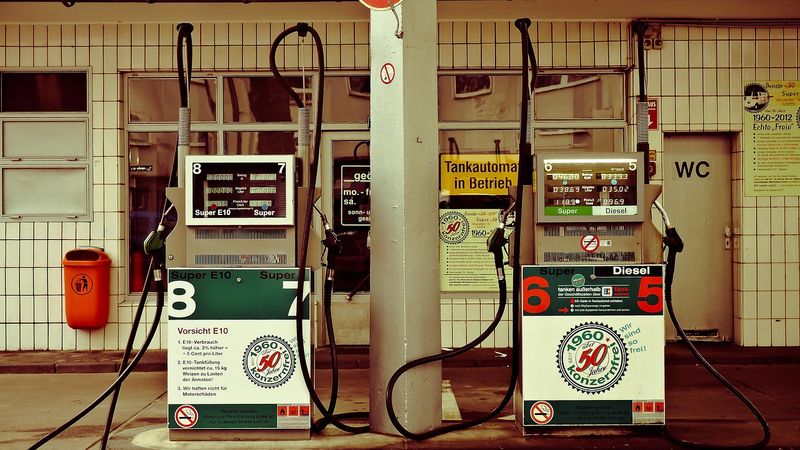
Jakarta - MUI's fatwa prohibiting the wealthy from buying premium gasoline has sparked controversy among the public. Many negative responses to this fatwa suggest that MUI has been influenced by government interests. The highest Islamic clerical body in Indonesia, which should remain neutral, is perceived to have been intervened by vested interests.
Public reactions to this fatwa have been varied. Some consider this fatwa good and permissible to follow, but many more view it cynically. They believe that MUI's fatwa is heavily influenced by political interests – specifically, the interests of a government unable to reduce Premium fuel subsidies, thus using a religious institution as a shield.
To delve deeper, it is necessary to understand the concept of fatwa according to Islam. Quoting from the website http://dariislam.blogspot.com, “Linguistically, fatwa means advice, counsel, or an answer to a legal question. According to the Encyclopedia of Islam, a fatwa can be defined as an opinion on an Islamic legal matter which is a response or answer to a question posed by the fatwa seeker and does not have binding power.”
The government is indeed promoting efforts to increase public awareness regarding fuel consumption. Those who can afford it are urged to buy Pertamax. Certainly, according to the government, this fatwa helps legitimize the protection of Premium fuel subsidies for the poor.
As an oil-producing nation, Indonesia should be able to meet its own fuel needs. It should not be dependent on international prices, thus being able to provide affordable fuel to support economic and industrial growth. In fact, there would be no need for this if the government took the initiative to invest in Indonesia's oil fields, rather than merely “selling” them to foreign miners, which ultimately only harms the national economy.(DPM)